

Courses#
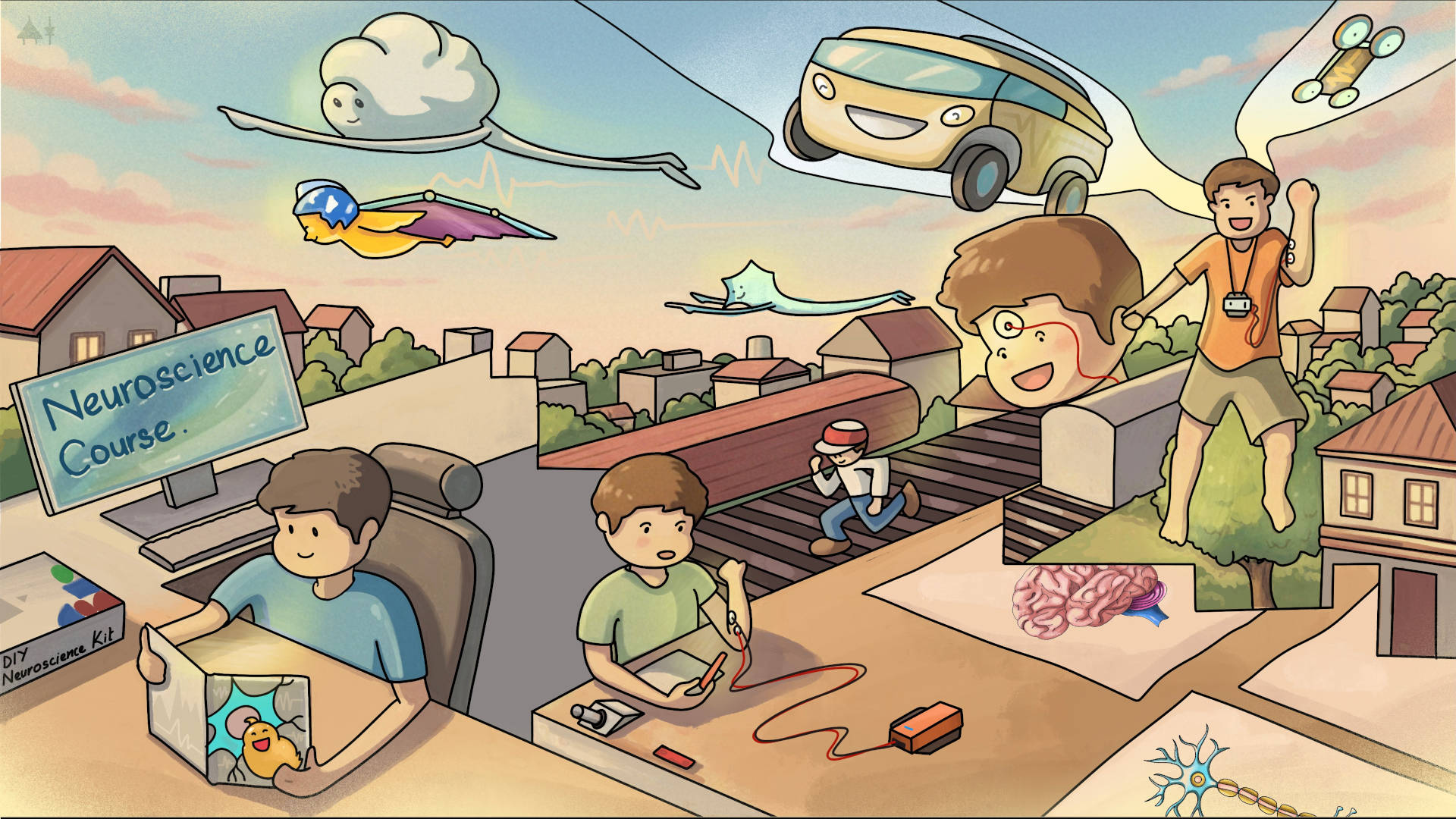
Welcome to the Neuroscience Courses section - Your starting point for understanding the electrical language of the nervous system through clear concepts and practical neuroscience applications.
These courses guide you step-by-step from the basic principles of neuroscience to real, practical skills for recording electrical signals generated by the brain, muscles, heart, and eyes. Whether you’re new to the field or already have experience, you’ll find clear explanations, hands-on demonstrations, and simple project-based learning that makes even complex topics easy to understand.
Each module includes clear diagrams, step-by-step explanations, and practical insights that help you understand both the science behind biopotential signals and the hardware used to record them.
This course is introductory and practical, designed to give you a strong foundation in neuroscience concepts but advanced topics will require further study and practice.
Why Neuroscience Matters Today#
Imagine a world where we don’t just treat the brain, we understand it. Neuroscience is not just a dusty textbook subject, it’s the key to decoding humanity’s greatest mysteries. From the spark of creativity that birthed symphonies and startups to the silent struggles of mental health crises affecting almost 1 in 7 people globally [1] , neuroscience bridges the gap between who we are and who we could become.

Neuroscience is no longer confined to laboratories and hospitals, it is now a foundational pillar of modern technology, healthcare and human machine interaction. From understanding brain function and sensory systems to developing assistive devices, brain computer interfaces and wearable health technologies, neuroscience plays a critical role in shaping the future.

Biopotential signals such as EEG, EMG, ECG, and EOG allow us to listen directly to the body’s electrical language. These signals enable early diagnosis, continuous monitoring, rehabilitation technologies, and inclusive assistive systems for people with disabilities. As technology advances, the integration of neuroscience with electronics, data science and open hardware has become not only valuable but essential.
These courses were designed to provide a strong conceptual foundation in neuroscience specifically oriented toward biopotential signal acquisition, ensuring that learners can move confidently from theory to practical implementation.
Note
“How EMG, EOG & ECG relates to neuroscience?”
Did this question cross your mind as well? If so, you are not alone; we also had the same doubt at first. Neuroscience is often misunderstood as being limited to the brain and EEG recordings. In reality, neuroscience encompasses the entire nervous system, not just the brain. Signals such as ECG, EMG, and EOG are not separate from neuroscience as they are direct physiological expressions of neural activity. Neuroscience is defined not by where electrodes are placed, but by whether the recorded signal originates from neural control or not.
Importance of these Courses Being Open Source#
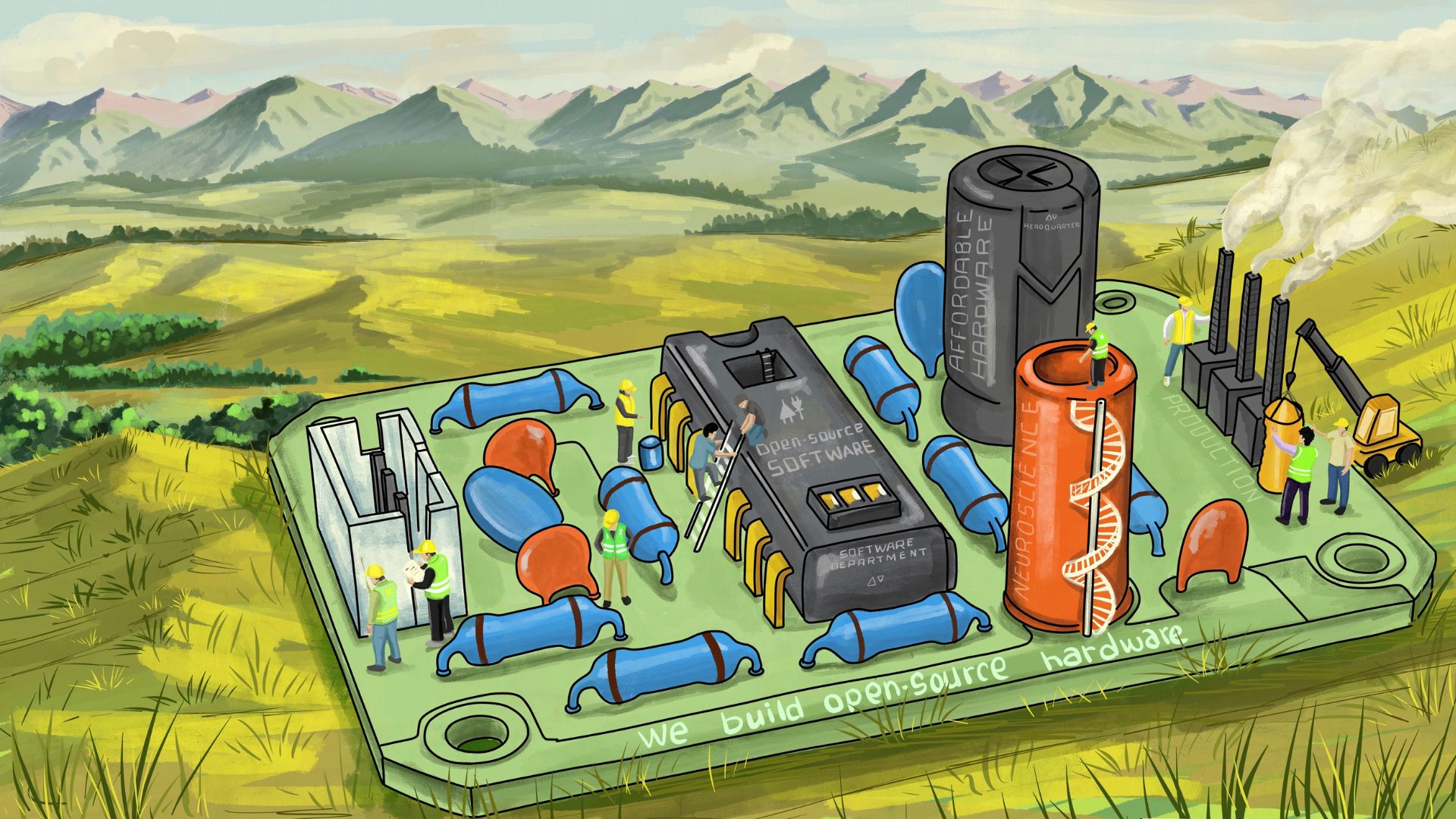
One of the core values behind these courses is accessibility. High-quality neuroscience and biomedical education is often expensive and restricted. By making this course open source, we aim to:
Democratize neuroscience education
Empower students, researchers, hobbyists, and innovators worldwide
Encourage experimentation, learning, and collaboration
Reduce barriers between ideas and implementation
Open-source education fosters transparency, reproducibility, and community growth principles that are essential in both science and engineering.
Start your journey into the electrical world of the nervous system and experience neuroscience through a practical, hands-on approach.